Adam Rejects Cal's Money
Adam Trask rejects the fifteen thousand dollars his son Cal earned through wartime bean speculation, refusing to accept profit from a war that sends young men to die. The rejection, delivered at the Thanksgiving dinner table in front of Aron and Abra, devastates Cal, who had intended the gift as a peace offering to compensate for Adam's earlier lettuce-failure losses. Adam's words—that he would have preferred a gift of pride in Aron's progress—trigger in Cal a spiral of shame, jealousy, and vengeful cruelty that leads directly to Cal's decision to reveal their mother's identity to Aron, an act with catastrophic consequences for the entire family.
The Gift and Its Rejection
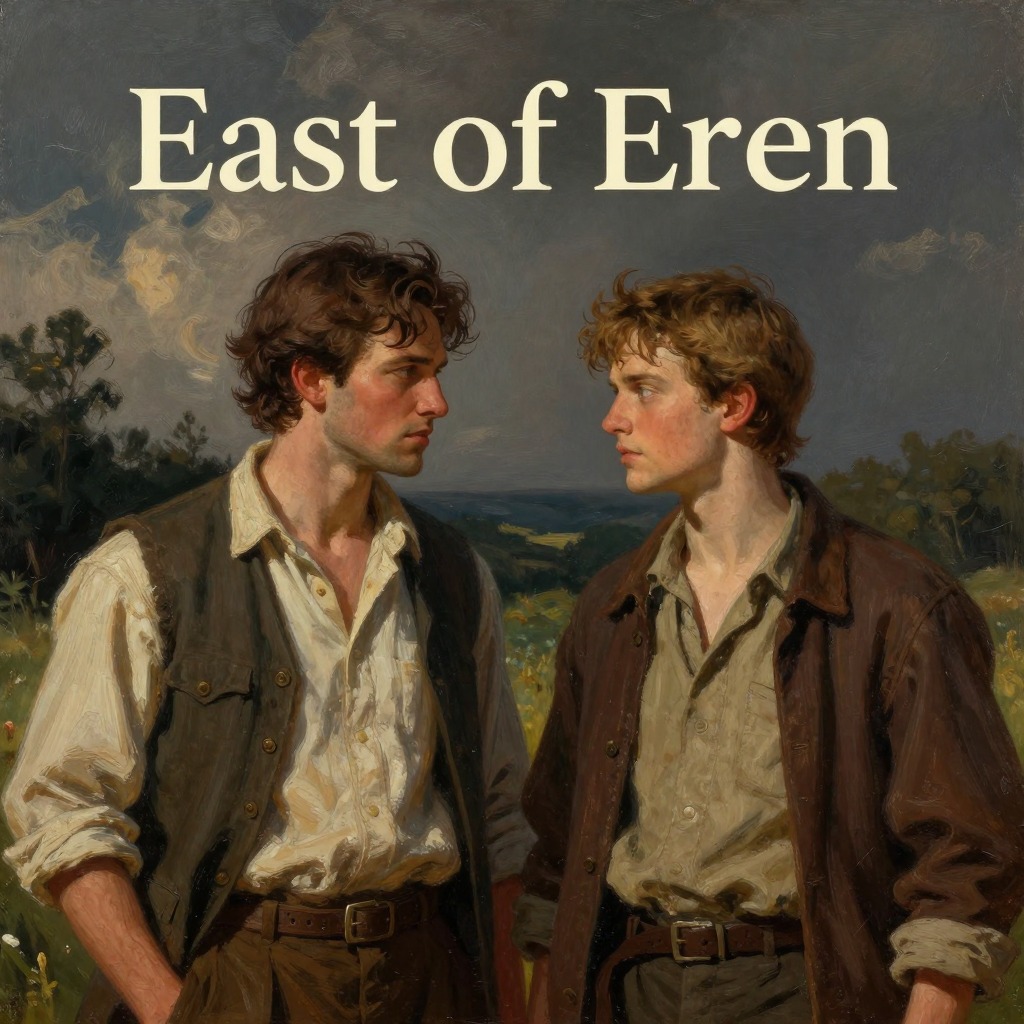
At the Thanksgiving dinner table, after the plum pudding and champagne, Cal pushed a red-ribboned package across to his father. Adam unwrapped the tissue paper to find fifteen thousand dollars in crisp gold certificates. Cal explained that he and Will Hamilton had made the money by buying bean futures at five cents a pound and selling when the price jumped to twelve and a half cents during the war. "It's for you," Cal said, "to make up for losing the lettuce." Adam touched the new bills, folded the tissue over them, and looked helplessly at Lee. Then he told Cal he would have to give the money back. When Cal protested that the British Purchasing Agency could not take it back and that the farmers had been paid two cents over the market, Adam replied, "Then give it to the farmers you robbed." Cal cried out that they had not robbed anyone, but Adam's mind was fixed on the draft board. "I send boys out," he said. "I sign my name and they go out. And some will die and some will lie helpless without arms and legs. Not one will come back untorn. Son, do you think I could take a profit on that?"
Adam's Preference and Cal's Devastation
Adam went on to say that he did not want the money and that the lettuce venture had been a game he had lost. Then he delivered the words that cut Cal deepest: "I would have been so happy if you could have given me—well, what your brother has—pride in the thing he's doing, gladness in his progress. Money, even clean money, doesn't stack up with that." He asked Cal not to be angry and said, "If you want to give me a present—give me a good life. That would be something I could value." Cal felt that he was choking. His forehead streamed with perspiration and he tasted salt on his tongue. He stood up suddenly, his chair fell over, and he ran from the room, holding his breath. In his room he sat at his desk, unable to cry, while his brain went to work slyly and quietly. Hate seeped through his body, poisoning every nerve. He drew tight little spirals on his blotting pad, hundreds of them, growing smaller and smaller until the pencil lines ran together into a shiny black dot.
Aftermath and the Burning of the Money
Lee came to Cal's room and tried to reach him, telling him that Adam could not help it, that it was his nature, and that Cal had a choice. But Cal's response was cold and quiet. He went back into the living room, apologized to his father, and put the package of money in his inside pocket. Later, alone in his room, Cal burned every one of the fifteen crisp bills, one by one, in a porcelain pin tray. Lee watched without intervening. When the money was reduced to black chips, Cal crushed them to powder. Lee told him that burning the money was a form of self-punishment and that he was enjoying his despair. He reminded Cal that he was not unique in his suffering, that he was just a snot-nose kid like any other. Cal turned slowly back to his desk, and Lee saw the beginning of relief in his face.
Thematic Significance
The rejection of Cal's money is a pivotal scene that crystallizes the novel's central conflict between good and evil, free will and determinism. Adam's refusal is rooted in his rigid honesty and his horror at profiting from war, but it also reveals his inability to see Cal as a separate person with his own worth. Cal's gift was an attempt to buy his father's love and to compensate for his own sense of badness, and its rejection confirms his deepest fear: that he is fundamentally unlovable. This rejection, combined with Adam's open preference for Aron's purity, drives Cal to the vengeful act of revealing their mother's identity to Aron, setting in motion the tragedy that follows. The scene also echoes the novel's exploration of timshel—the Hebrew word meaning "thou mayest"—as Cal is given a choice in how to respond to his father's rejection, and he chooses the path of cruelty and destruction.